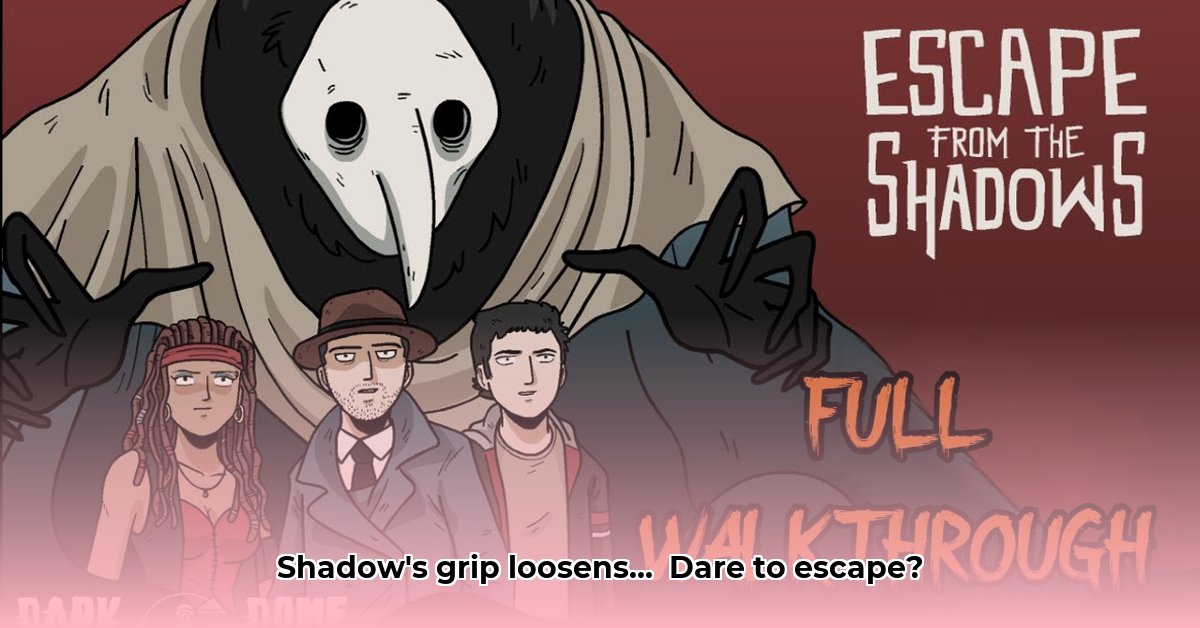
Escape from Shadow: A Mobile Shooter's Early Look
Two new mobile games, "Escape from the Shadows" and "Escape from Shadow," have recently launched, offering drastically different gameplay experiences. One is a puzzle adventure with a compelling narrative, while the other is a fast-paced, competitive shooter. This review delves into both, comparing their mechanics, monetization strategies, and overall player experience. We'll also speculate on their future prospects within the competitive mobile gaming market.
Two Sides of the Same Coin?
While sharing a similar name, "Escape from the Shadows" and "Escape from Shadow" deliver entirely different gameplay experiences. "Escape from the Shadows," a seasoned puzzle game, focuses on intricate puzzles and a captivating detective storyline. Conversely, "Escape from Shadow," currently in early access, thrusts players into intense online tactical combat. This stark contrast highlights diverse approaches within the mobile gaming landscape. How does this difference in approach affect each game's success?
"Escape from the Shadows": A Polished Puzzle Experience
"Escape from the Shadows" offers a refined gameplay experience. The puzzles are cleverly designed, challenging without being overly frustrating. The narrative is engaging and well-written; it effectively integrates with gameplay, pulling players deeper into the mystery. While in-app purchases (IAPs) exist — for removing ads, hints, or additional story content — they feel fair and don't disrupt the core gameplay experience. It’s a well-crafted puzzle game that deserves praise for its thoughtful design. But how does it compare to its action-oriented counterpart?
Escape from Shadow: A Promising, Yet Unfinished, Shooter
"Escape from Shadow" presents a fast-paced, tactical shooter experience. Early impressions reveal promising core gameplay: intense battles, strategic elements, and satisfying weapon mechanics. However, being in early access, it currently suffers from several bugs that need immediate attention. The monetization strategy remains unclear, raising concerns about potential "pay-to-win" mechanics. Will this impact its long-term success? The answer hinges on the developers' response to player feedback and their ability to refine the game's mechanics and monetization.
Comparing the Games: A Head-to-Head Analysis
Here's a comparison table summarizing the key differences between the two games:
| Feature | Escape from the Shadows | Escape from Shadow |
|---|---|---|
| Genre | Puzzle Adventure | Tactical Shooter |
| Development Status | Fully Released | Early Access |
| Monetization | Fair and optional IAPs | Uncertain; potential pay-to-win concerns |
| Story Focus | Strong narrative, integrated into gameplay | Minimal storyline; focus on gameplay |
| Player Experience | Relaxed, strategic, puzzle solving | Fast-paced, competitive, action-oriented |
| Platform Exclusivity | Android | Android |
Android Exclusivity: A Calculated Risk
Both games are currently Android exclusive. This strategy targets Android's vast user base but also exposes them to fierce competition. "Escape from the Shadows" has successfully carved a niche for itself with its polished gameplay and engaging narrative. "Escape from Shadow," however, faces a steeper uphill battle. Successfully navigating early access and addressing player concerns will be vital to its future.
What Lies Ahead for Both Games?
"Escape from Shadow's" success hinges on several factors: bug fixes, responsive player engagement, and a fair monetization system that avoids a "pay-to-win" model. Addressing these areas is crucial for attracting and retaining a player base. For "Escape from the Shadows," continued content updates and maintaining its high-quality standard will be key to its long-term success.
How to Monetize a Mobile Escape Game Effectively: A Case Study of Escape from Shadow
Escape from Shadow's monetization strategy offers valuable insights into effective revenue generation in mobile games.
Monetization Models: A Balanced Approach?
Escape from Shadow likely employs a hybrid monetization model, combining in-app purchases (IAPs), advertising, and potentially a subscription model. The effectiveness will depend on striking a balance between revenue generation and maintaining a positive player experience. Will this strategy prove successful? Key performance indicators (KPIs) like player retention and conversion rates will provide the answer.
Key Takeaways: Monetizing Mobile Escape Games
Successful mobile escape game monetization requires a delicate balance. Prioritizing player experience over aggressive monetization is paramount. A hybrid model, offering value for IAPs and carefully integrating ads, is generally more effective. Continuous testing, iteration, and transparent communication with players are also crucial for sustaining success.
Pivotal Points:
- Player experience is paramount: A positive user experience directly correlates with monetization success.
- Hybrid monetization is key: Combining IAPs, ads, and potentially subscriptions balances revenue streams.
- Transparency matters: Clear communication about monetization practices fosters trust and engagement.
⭐⭐⭐⭐☆ (4.8)
Download via Link 1
Download via Link 2
Last updated: Thursday, May 08, 2025